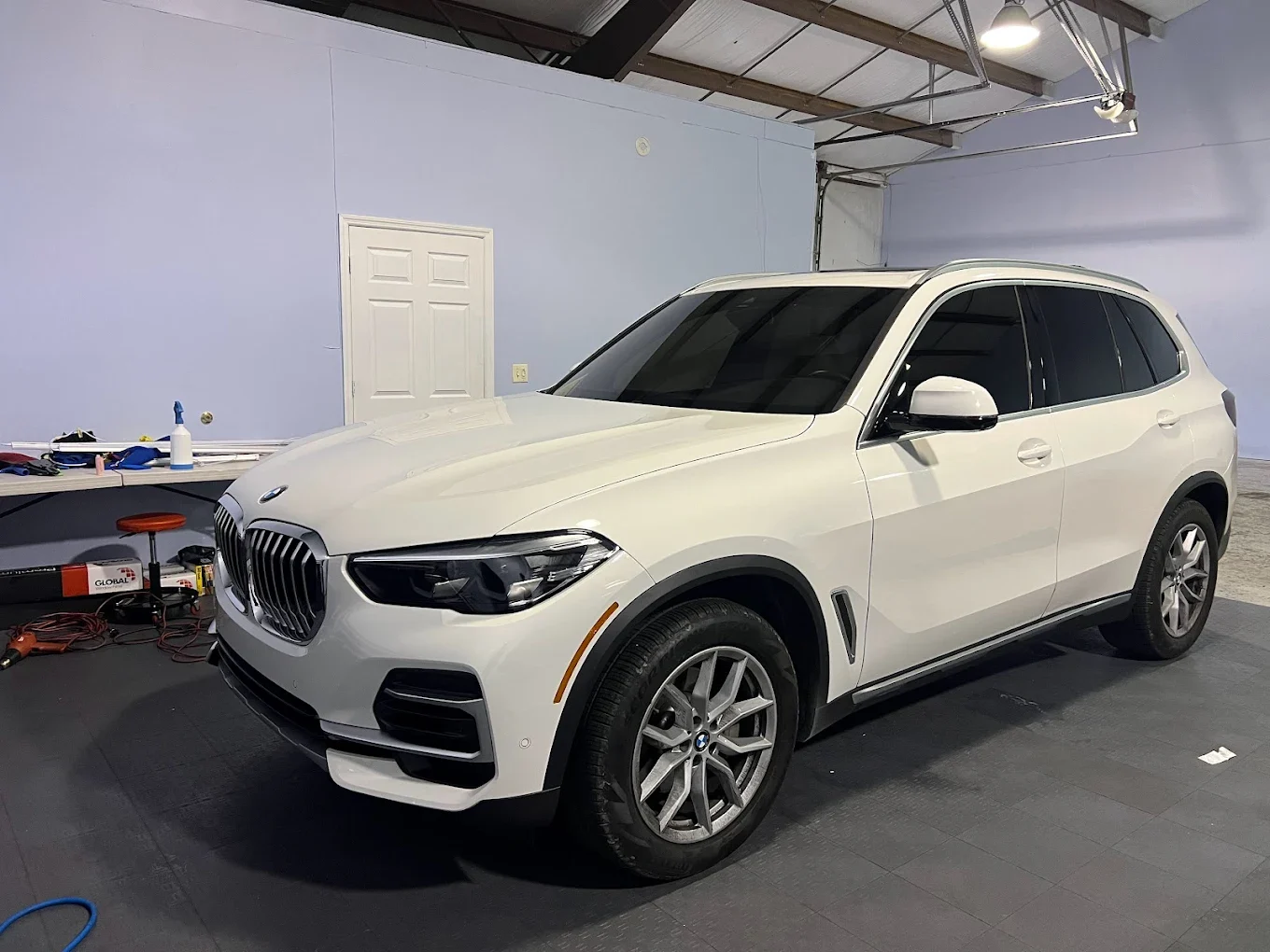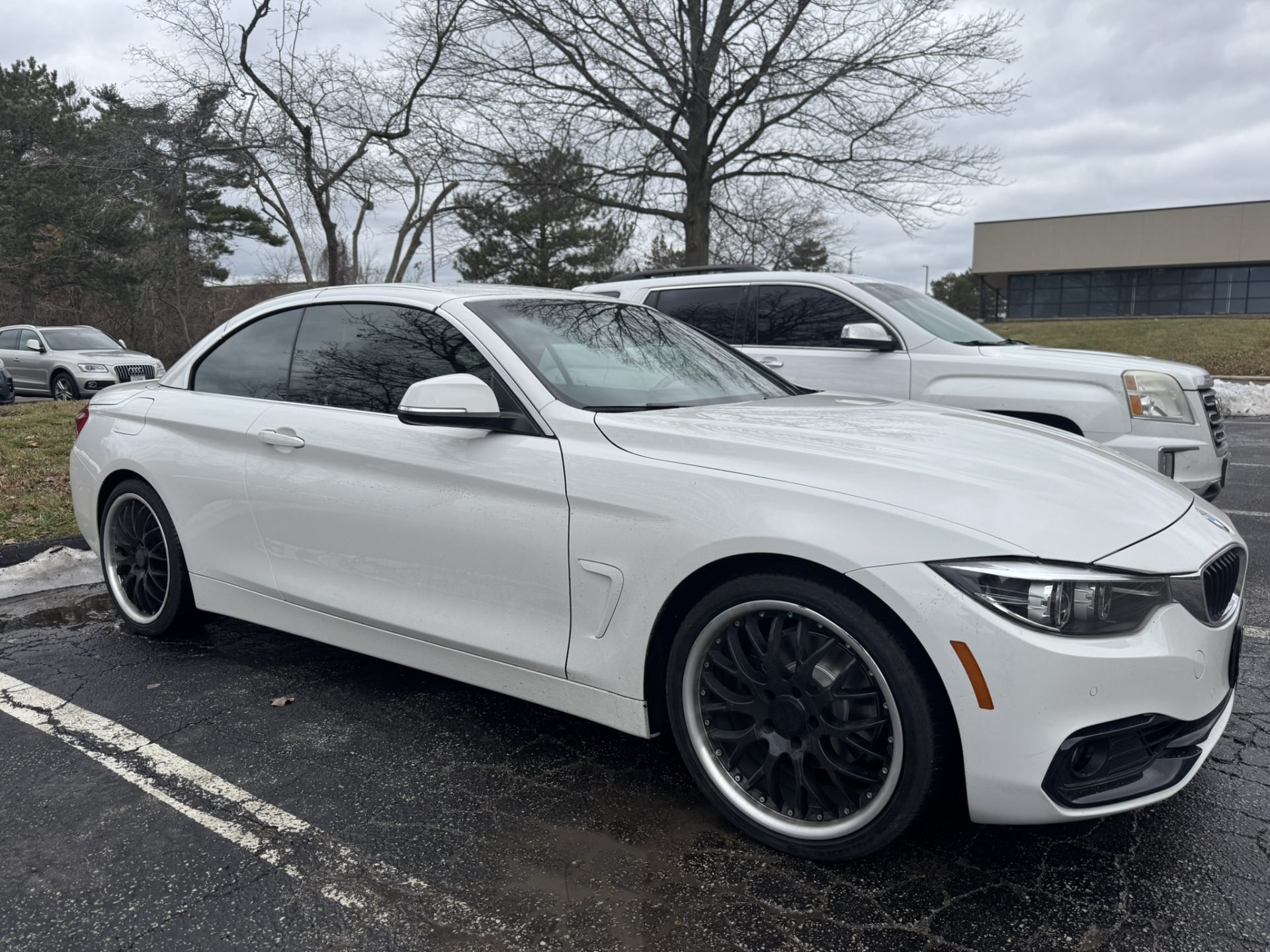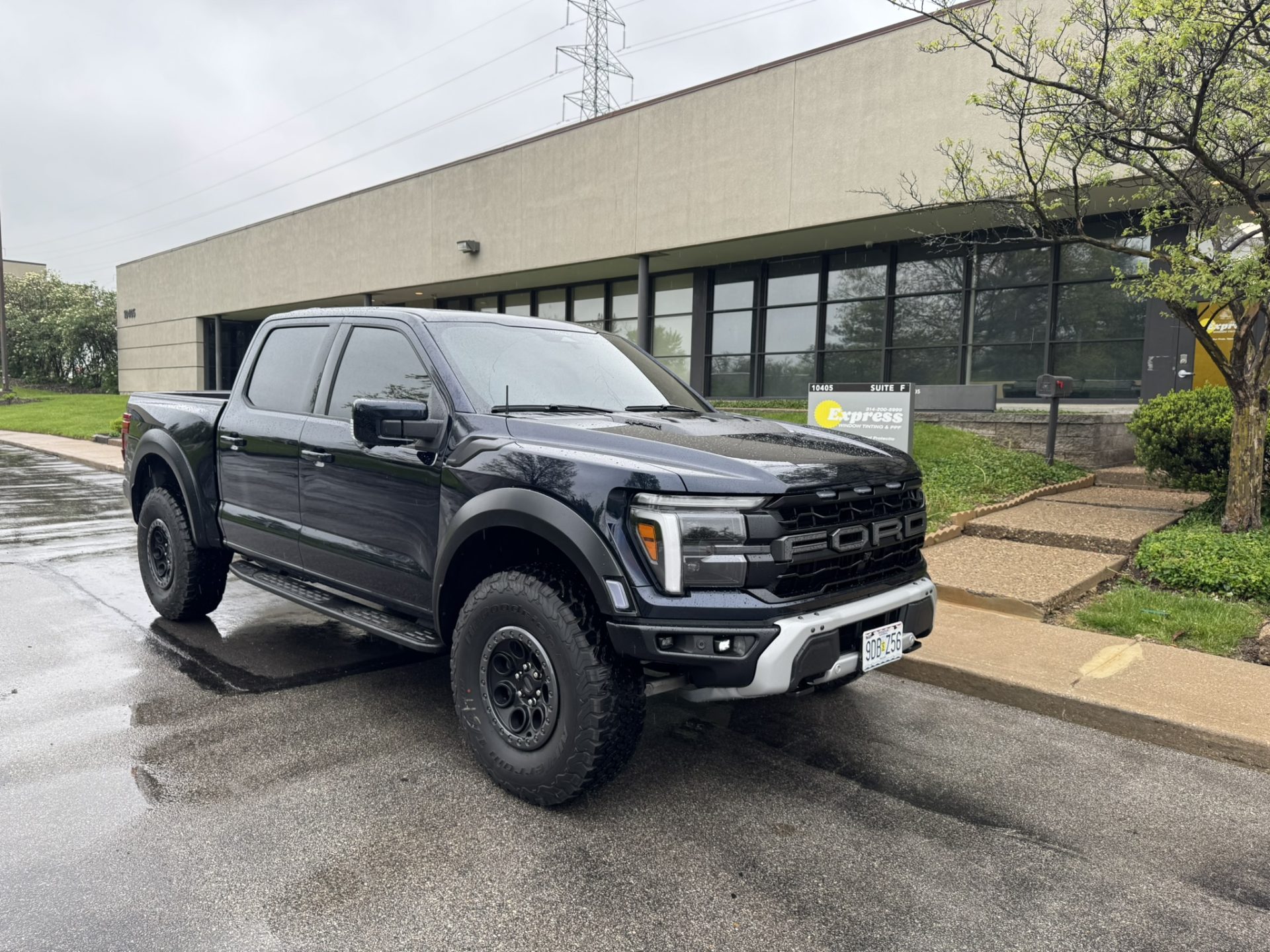
Living in Huntleigh, MO means enjoying tree-lined streets, scenic drives, and quiet neighborhoods. But if you spend time behind the wheel, you’ve probably felt how brutal the sun can be through your windshield or side windows. Whether you’re parked near Huntleigh Woods or driving through S Lindbergh Blvd & Squires Lane, that glare and cabin heat build up fast. Over time, the constant exposure can fade your interior, strain your AC, and make driving less comfortable.
That’s why more drivers are turning to window tinting in Huntleigh, MO as a smart way to reduce heat, protect their interiors, and enjoy a more comfortable ride. So, which type of window film really performs best for this kind of environment? Let’s dive into it.
Understanding Huntleigh’s Climate and Driving Conditions
Seasonal Shifts and Why They Matter for Tint Performance
Huntleigh’s weather isn’t just sunny summers and snowy winters. We’re talking humidity, temperature swings, and a sun that doesn’t let up. During July, cars parked for hours can turn into ovens. Then in winter, glare off icy roads becomes a safety issue. The right window film needs to handle both extremes, not just look good.
Sun Exposure Along Key Roads and Neighborhoods
Key areas like Radnor Road and Bridle Ridge Lane see frequent sun exposure. It’s not just about comfort, it’s about long-term damage. Constant UV rays fade interiors, crack dashboards, and make your AC work harder. That’s where effective window tinting shop in Huntleigh, MO becomes a protective layer between your car and the elements.
What Is Window Film and How Does It Work?
The Layers Behind the Technology
Window film isn’t just a dark sticker on glass. It’s a multi-layered product designed to reflect or absorb light. There’s an adhesive layer, UV-blocking layer, and depending on the film type, components like carbon or ceramic particles. Each material reacts differently to sunlight, which is why not all tint perform the same way.
How Films React to Heat and UV in Real Driving Conditions
Some films block UV but not heat. Others block heat but fade quickly. The best window tint balances infrared rejection, UV protection, and optical clarity. That balance is what makes high-performance films ideal for drivers in Huntleigh’s changing weather.
Types of Window Film Available for Huntleigh Drivers
Dyed Film: Basic Appearance and Budget-Friendly
Dyed film is a common choice for its dark look and lower price. It reduces glare and provides decent UV protection, but doesn’t offer strong heat rejection. It’s more about appearance than performance.
Carbon Film: Deep Look with Heat Control
Carbon tint gives your car a sleek, non-reflective finish and does a better job at blocking infrared heat. It’s also color-stable, which means it won’t turn purple over time. That makes it great for drivers who want performance without going all-in on ceramic.
Ceramic Film: Superior Performance for Harsh Conditions
Ceramic window tint is where technology really shines. It blocks up to 88% of infrared heat and 99% of UV rays. You’ll notice cooler interiors, reduced glare, and no signal interference.
Nano-Ceramic Technology and Infrared Heat Rejection
Nano-ceramic films use microscopic ceramic particles that reject heat without being dark or shiny. They allow visibility while still keeping out solar energy, which is perfect for Huntleigh’s bright conditions and luxury vehicle aesthetics.
How Huntleigh’s Sun Exposure Affects Vehicle Interiors
Ever opened your car door and felt like you stepped into a sauna? Prolonged sun exposure causes seats to fade, dashboards to warp, and steering wheels to crack. Huntleigh’s sun isn’t just bright, it’s damaging. Window film helps reduce that long-term wear and protects resale value.
Over time, high interior temperatures can also break down stitching and weaken leather or vinyl. Even electronics and infotainment systems are at risk of heat-related malfunctions. A quality window tint acts like sunscreen for your car, blocking the worst of the rays before they cause permanent damage.
Factors to Consider When Choosing the Right Film
Legal Compliance in Missouri (VLT Requirements)
In Missouri, the front side windows must allow at least 35% of light in. That’s called the Visible Light Transmission (VLT). All film installed by Express Window Tinting & Paint Protection is compliant with Missouri law, so you’re not risking tickets.
Signal Interference and Modern Electronics
Avoid metallic films. They interfere with GPS, Bluetooth, and radio signals. Ceramic and carbon films are signal-safe, making them a smarter option for today’s tech-heavy vehicles.
Durability and Fade Resistance Over Time
Cheap films may look fine at first but can fade, bubble, or peel within a year. Look for a product that comes with a lifetime warranty and proven durability, especially when dealing with Huntleigh’s temperature swings.
Recommended Film Types for Huntleigh’s Conditions
Best Film for Daily Commuters
For those constantly on the road, ceramic tint offers the best balance of clarity, heat rejection, and UV protection. It’s especially effective during long drives through sun-exposed roads.
Best Film for Parked Vehicles in Sunny Areas
Cars parked for long hours in areas like Huntleigh Woods need serious heat control. A high-end nano-ceramic film keeps cabin temperatures lower, even when the car is off.
Final Thoughts on Choosing the Right Tint for Local Drivers
When it comes to window tinting in Huntleigh, MO, there’s no one-size-fits-all solution. But one thing’s clear: the harsher the environment, the more you need a film that works as hard as you do. From blocking heat and glare to preserving your car’s interior, the right film can make driving safer and more enjoyable.
Express Window Tinting & Paint Protection understands local roads, local laws, and local weather. We see the impact of sun exposure daily and help drivers make the best long-term decision for their vehicles.
Window tinting helps protect your car’s interior in University City, MO by blocking harmful UV rays, lowering cabin heat, and reducing fading, cracking, and premature wear on seats, dashboards, and other surfaces.
Frequently Asked Questions – Window Tinting in Huntleigh, MO
1. Does ceramic window tint reduce nighttime visibility?
Ceramic window film is available in a range of Visible Light Transmission (VLT) levels, allowing you to maintain clear visibility at night while still blocking heat, glare, and over 99% of harmful UV rays. It’s a top choice for Huntleigh drivers looking for safety and performance, day or night.
2. Can I tint only my front windows to match the rest of the car?
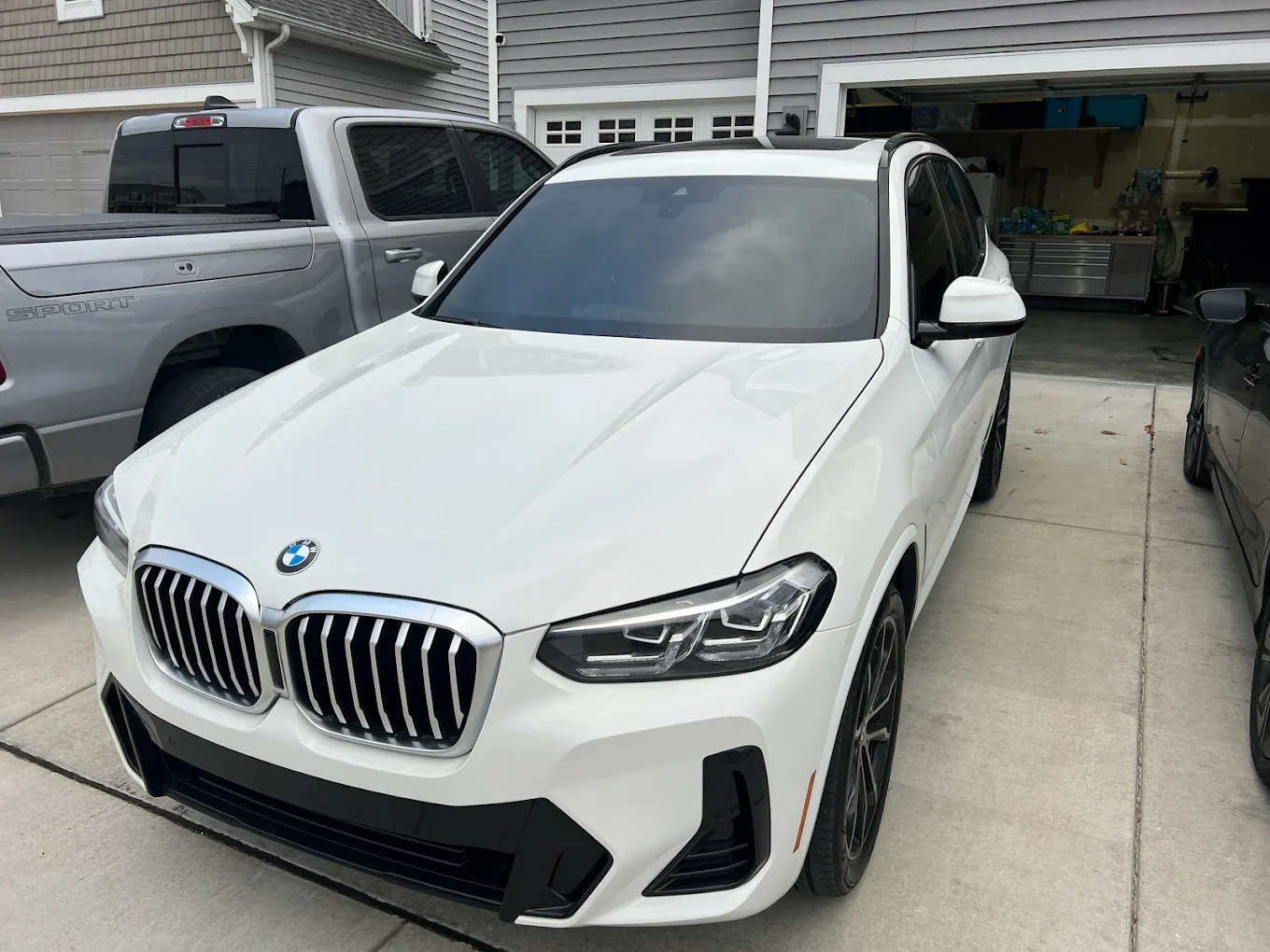
Yes. Many vehicles come with factory-tinted rear windows, and applying legal film to just the front windows helps balance the look while staying compliant with Missouri tint laws. Our team ensures the match looks seamless and meets VLT regulations in the 63131 area.
3. How long will ceramic or carbon window tint last?
High-performance films like ceramic and carbon tint are built to last. With proper installation and care, you can expect over 10 years of durability without fading, peeling, or bubbling. At Express Window Tinting & Paint Protection, every install comes with a lifetime warranty for peace of mind.
4. Is it legal to have tint on my windshield in Missouri?
Yes, but with limits. Missouri law allows a non-reflective tint strip along the top portion of your windshield, usually above the AS-1 line. This helps reduce glare from sun or headlights without compromising visibility or safety.
5. Does window tint really help keep my car cooler in the summer?
Absolutely. Quality films, especially nano-ceramic tint, block a large portion of infrared heat, significantly lowering cabin temperature. This helps reduce AC usage, protects interior surfaces, and keeps your vehicle more comfortable during Huntleigh’s sunny months.